Healthy trees are one of the most valuable features of any landscape. They provide shade, improve property value, support wildlife, and enhance curb appeal. However, it can be difficult for homeowners to tell the difference between normal tree growth and warning signs of structural instability. Understanding what’s natural—and what’s not—can help you protect your property and avoid costly damage.
At First Tree Service of Dallas Ga, professionals often help homeowners distinguish harmless growth traits from serious structural concerns. This guide explains what to look for and when to call a tree care expert.
Why Trees Don’t Always Grow “Perfectly Straight”
Many people assume a healthy tree should grow upright and symmetrical. In reality, trees develop according to their environment, not human expectations. Several natural growth factors can cause unusual shapes without indicating danger.
Common natural growth variations include:
- Slight trunk leaning toward sunlight
- Uneven canopy spread due to shade competition
- Twisting trunks in certain species
- Surface roots visible above soil
- Knots and natural bark irregularities
These characteristics often reflect adaptation, not weakness. Trees adjust their structure to optimize light exposure, wind resistance, and nutrient access.
Normal Tree Growth Patterns Explained
1. Leaning Toward Light
Trees naturally grow toward sunlight in a process called phototropism. If a tree is shaded on one side by a building or nearby trees, it may lean in the direction of open light. This is usually harmless if the lean developed gradually and the root system remains strong.
2. Asymmetrical Branch Distribution
Wind exposure, pruning history, or nearby obstacles can cause uneven branch growth. A lopsided canopy alone isn’t necessarily a problem—many mature trees maintain stability despite uneven weight distribution.
3. Thickened Trunk Bases
A wide or flared trunk base is actually a positive sign. Known as a root flare, this structure provides stability and helps anchor the tree. Homeowners sometimes mistake this for swelling or disease, but it’s typically a sign of good structural support.
4. Seasonal Bark Changes
Peeling bark or color variation can occur naturally depending on species and season. Some trees shed bark to allow for growth, similar to how reptiles shed skin.
Signs a Tree May Be Structurally Unstable
While many irregularities are harmless, certain warning signs can indicate a tree is at risk of falling or failing. Recognizing these early can prevent property damage or personal injury.
Watch for these red flags:
- Sudden leaning after a storm
- Soil lifting or cracking near roots
- Large dead branches in the canopy
- Deep trunk cracks or splits
- Fungus growing at the base
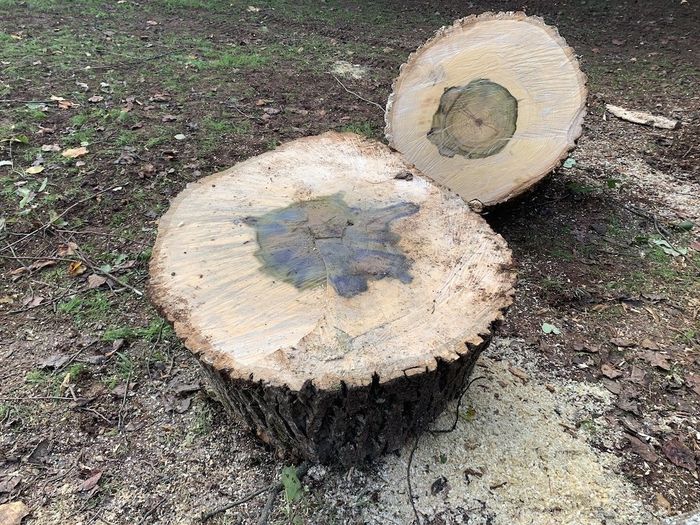
- Hollow or decaying trunk sections
These symptoms may signal root failure, internal decay, or structural weakness. Trees showing multiple warning signs should be evaluated promptly.
The Difference Between Cosmetic Issues and Structural Risks
Not all visible flaws affect a tree’s strength. Some issues are purely cosmetic, while others compromise stability.
Usually cosmetic:
- Minor bark damage
- Small dead twigs
- Surface moss or lichen
- Slight trunk curvature
Potentially dangerous:
- Vertical trunk splits
- Major limb cracks
- Root plate movement
- Extensive rot pockets
A professional inspection can determine whether a tree is safe or needs corrective care such as pruning, cabling, or removal.
Environmental Factors That Affect Stability
Even healthy trees can become unstable due to external conditions. Environmental stressors often weaken trees gradually before visible symptoms appear.
Key risk factors include:
- Soil erosion
- Prolonged drought
- Flooding or waterlogged soil
- Construction near roots
- Lightning strikes
- Strong wind exposure
Trees growing in compacted soil or confined spaces are especially vulnerable because their roots cannot spread properly for support.
How Professional Inspections Help
Tree professionals use trained observation and specialized tools to evaluate structural integrity. Inspections may include:
- Checking trunk soundness
- Assessing root stability
- Evaluing canopy balance
- Identifying hidden decay
- Measuring lean angle changes
Certified arborists understand species-specific growth habits, which helps them distinguish natural traits from structural hazards. This expertise is crucial because removing a healthy tree unnecessarily can reduce property value and shade coverage.
Preventive Tree Care for Long-Term Stability
Routine maintenance is one of the best ways to ensure trees remain strong and safe. Preventive care supports healthy growth and reduces the risk of sudden failure.
Recommended practices:
- Regular pruning to remove weak limbs
- Mulching to retain soil moisture
- Proper watering during drought
- Avoiding root disturbance
- Monitoring after severe storms
Consistent attention allows minor issues to be corrected before they become major safety concerns.
When to Call a Tree Professional
Homeowners should seek expert evaluation if they notice:
- Rapid changes in lean angle
- New cracks or splits
- Large sections of dead canopy
- Mushrooms near roots
- Soil heaving after storms
Prompt action can often save a tree—or prevent it from causing damage. Professional assessment ensures the right solution is applied, whether that’s stabilization, pruning, or removal.
Protecting Your Landscape Investment
Trees are long-term investments that enhance beauty, comfort, and property value. Understanding the difference between natural growth patterns and instability signs empowers homeowners to make informed decisions about tree care.
By recognizing what’s normal and what’s not, you can avoid unnecessary worry while still addressing genuine safety risks. When in doubt, expert guidance provides peace of mind and keeps your landscape both safe and thriving.
Tree Service, Tree Removal, Tree Trimming, Stump Removal
First Tree Service of Dallas Ga
Dallas, Ga 30157
404-238-7367
Comments
Post a Comment